Best Raw Dog Food
Brands for 2026
Freeze-dried, frozen, and fresh raw — every major brand compared on ingredients, safety, and value for species-appropriate nutrition.
Updated May 2026
Freeze-dried, frozen, and fresh raw — every major brand compared on ingredients, safety, and value for species-appropriate nutrition.
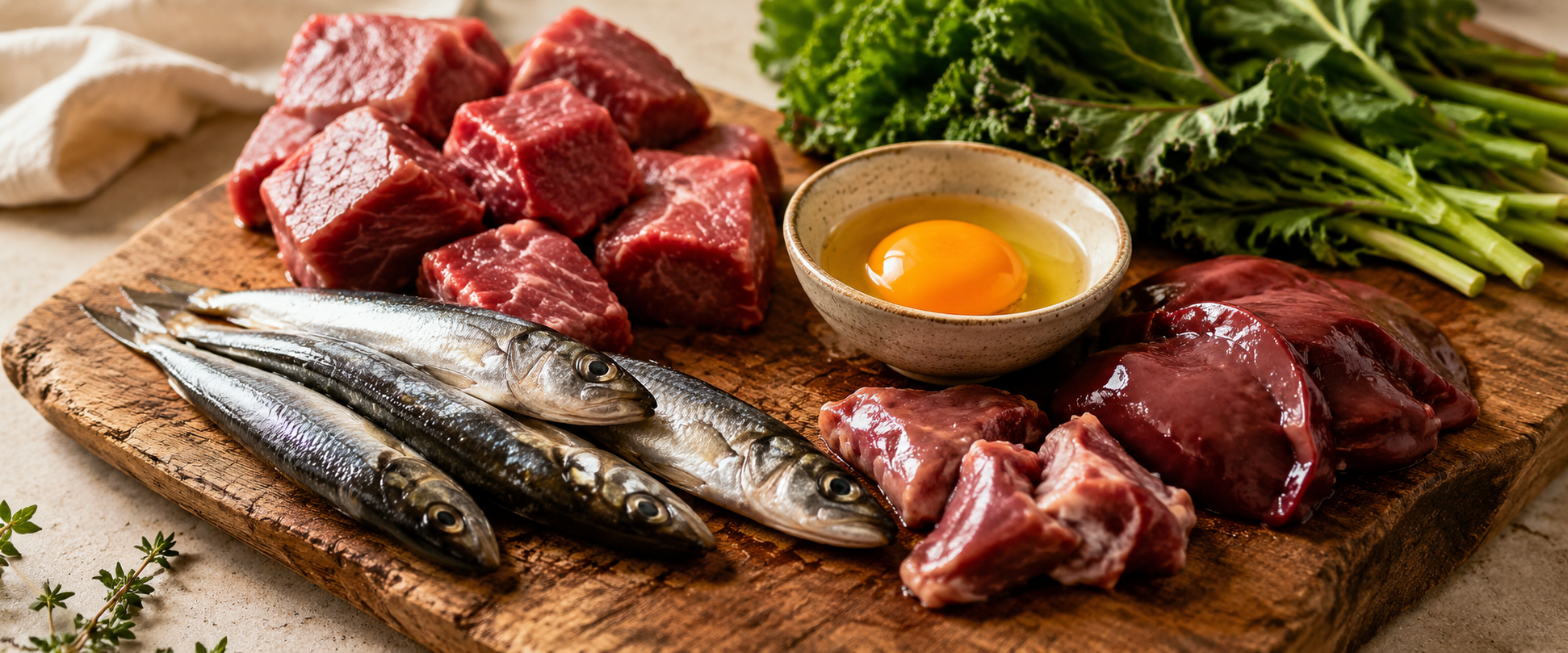
Updated May 2026Raw feeding aims to mirror a dog’s ancestral diet — whole proteins, organ meats, bones, and minimal processing. Advocates report shinier coats, better digestion, improved energy, and healthier teeth.
Closest to whole prey. Comes in patties, nuggets, or chubs. Requires freezer space and thawing. Highest nutrient preservation but most hands-on.
All the nutrition of frozen raw in a shelf-stable format. Just add water to rehydrate. More convenient and travel-friendly. Typically costs more per serving.
Pre-portioned raw meals shipped frozen to your door on a subscription. The easiest way to feed raw — brands handle the formulation, sourcing, and portioning.
| Brand | Type | Best For | |
|---|---|---|---|
| Maev | Fresh raw + supplements | Modern wellness audience | Try It → |
| We Feed Raw | Frozen raw patties | Complete raw meals | Try It → |
| Steve’s Real Food | Frozen + freeze-dried | Raw education advocates | Try It → |
| Darwin’s Natural | Fresh raw delivery | Dogs and cats | Try It → |
| Primal Pet Foods | Frozen + freeze-dried | Raw pioneers | Try It → |
| Raw Wild | Raw dog food | Traffic-driving sites | Try It → |
| The Farmer’s Dog | Fresh (raw-adjacent) | Fresh transition | Try It → |
Human-grade raw dog food with a modern, wellness-forward brand. Stylish packaging, nutrient-dense formulas, and a supplements line that pairs perfectly with their meals. Appeals to health-conscious millennials.
A raw pioneer with a strong educational mission. Offers freeze-dried and frozen raw for dogs and cats. Their Raw U course teaches affiliates about raw feeding — completion deepens your understanding of raw feeding.
Fresh raw meals for both dogs and cats, delivered frozen. High-quality ingredients with a convenient subscription model. Their 45-day cookie is the longest in the raw space.
A safe, gradual approach to switching your dog to a raw diet.
Days 1–3: Replace 25% of your dog’s current food with raw. Start with a single protein source (chicken or turkey are easiest to digest).
Days 4–6: Move to 50/50. Monitor stool consistency — slight changes are normal during transition.
Days 7–10: Increase to 75% raw. Most dogs are fully adjusted by now.
Day 10+: Full raw. Once stable, you can begin rotating proteins for nutritional variety.
⚠️ Important: Always consult your veterinarian before switching to a raw diet, especially for puppies, senior dogs, or dogs with immune conditions. Practice safe food handling — wash hands, sanitize surfaces, and keep raw food separate from human food.